Endometriosis: What It Is, Why It Hurts, and How to Actually Feel Better. Finding Care on the North Shore
Endometriosis: What It Is, Why It Hurts, and How to Actually Feel Better. Finding Care on the North Shore
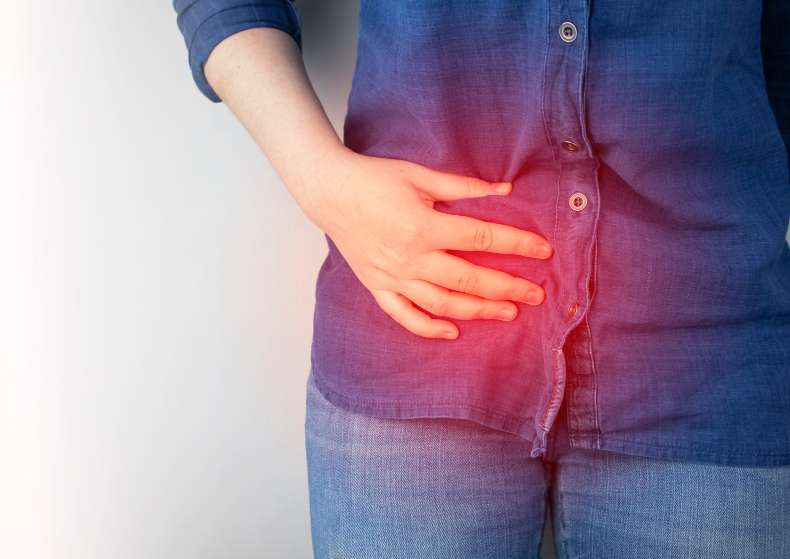
March is Endometriosis Awareness Month but it’s more than just a headline.
Endometriosis affects roughly 10% of women (up to 30% in reproductive years), and still takes an average of 7 years to diagnose.
This month exists because that delay isn’t acceptable. More awareness means earlier recognition, better care, and fewer women falling through the cracks.
If you’re searching for endometriosis care near North Andover or the North Shore, here’s what you need to know—and where to start.
What is endometriosis?
Endometriosis is a chronic inflammatory condition where cells similar to that of the uterine lining attach and grow outside of the uterus. The tissue is commonly found on the ovaries, bowel, bladder, and throughout the pelvis and can on rare occurrences be found in the chest cavity as well.
The exact cause is not fully known. The main theory is that cells migrate outside the uterus via the fallopian tubes during menstruation instead of leaving through the vagina. Another theory is that peritoneal cells transform into endometrial cells. In either case, estrogen, genetics and immune dysfunction likely play a role.
It often shows up as:
Painful periods
Irregular periods
Pain with sex
Painful bowel movements or urination
Bloating or digestive issues
Low back, hip, or pelvic pain
Fatigue that feels out of proportion
Infertility - as upwards of 50% of women with infertility are found to have endometriosis.
These symptoms are often cyclical - they flare up with menstration.
Many women go years without a diagnosis as many of the symptoms are overlooked or dismissed as “just hormonal” or “part of being a woman.”
They’re not.
Because pain that impacts your daily life—your workouts, your relationships, your energy—is not something you just have to live with.
How is it diagnosed?
Endometriosis is diagnosed by taking a thoughtful and thorough history. It is often considered a diagnosis of exclusion where other causes such as Irritable Bowel Disease (IBS) are ruled out first.
Currently laproscopy is the gold standard for diagnosis and treatment for removal of lesions. Imaging with transvaginal ultrasound and MRI can be helpful but often miss lesions. Radiologist at Mass General Brigham are working with surgeons on less invasive improved early detection and HerAnova is a Burlington MA based biotech showing great promise with 80% detection rates from a blood test.
Treatment options (and why you need a team)
The most effective endometriosis treatment is multidisciplinary.
This may include:
Hormonal or medical management
Excision surgery (for removal of lesions)
Pelvic floor physical therapy
Nutrition and lifestyle support
Nervous system regulation
If you’re local to North Andover, Andover, or the North Shore, you don’t need to navigate this alone—but you do need the right team.
How pelvic floor physical therapy helps endometriosis
This is one of the most overlooked pieces of care.
With endometriosis, the pelvic floor is often:
Tight and overactive
Painful with pressure or penetration
Not coordinating well with the rest of your core and system
Pelvic floor PT focuses on:
Releasing tension in the pelvic floor and surrounding muscles
Improving mobility of the pelvis, hips, and abdomen
Addressing scar tissue (including after excision surgery)
Calming the nervous system’s pain response and assisting with regulation
Supporting bowel, bladder, and sexual function
Improve circulation
Lifestyle and stress management
And no—this isn’t just Kegels. In many cases blindly doing kegels can make pain worse.
If you are suspicious of a diagnosis pelvic PT can make significant improvements in your symptoms and help you find the best next steps for you to find relief.
If you’re preparing for surgery or recovering after, pelvic PT can significantly improve outcomes and help prevent ongoing pain patterns.
Pain management: what you can start now
You don’t have to wait for surgery or a formal diagnosis to take action.
Start here:
Prioritize gentle, consistent movement over pushing through pain
Use breath work to reduce pelvic floor tension
Track your symptoms to understand patterns
Build in rest and recovery (this matters more than you think)
Find providers who actually listen and look at the full picture
Endometriosis specialists near North Andover & Boston
If you’re looking for endometriosis specialists near the North Shore or Boston, these are strong places to start:
Excision surgeons & specialty care
Boston Center for Endometriosis – multidisciplinary, research-based care
Brigham and Women’s Hospital – advanced excision surgery + team-based approach
Mount Auburn Hospital Endometriosis Program Beth Israel Lahey (Cambridge) – comprehensive surgical and pain management care
The bottom line
Endometriosis is complex—but you are not stuck.
When you address:
The lesions
The muscles
The nervous system
And your day-to-day habits
…you give your body a real chance to feel better.
If you’re on the North Shore or in North Andover, pelvic floor physical therapy is often one of the most accessible and impactful first steps.
Because the goal isn’t just to get through your cycle.
It’s to move well, feel strong, and trust your body again.
Looking for pelvic floor physical therapy in North Andover?
If you’re dealing with pelvic pain, painful periods, or endometriosis symptoms, working with a pelvic floor PT at Find Your Way Mama can help you better understand your body—and start making meaningful progress.

